The flyweight division takes center stage at Noche UFC: Silva vs Delgado as Edgar Chairez meets the ranked veteran Tim Elliott at the Desert Diamond Arena. This matchup in Glendale features two freestyle competitors with contrasting statistical profiles. While Edgar Chairez brings a high finish rate of 93 percent into the cage, Tim Elliott relies on his extensive experience and a significant ranking of #12 to dictate the terms of the engagement. The model suggests a narrow margin between these athletes as they prepare for the September 12, 2026 event.
Striking Exchange and Accuracy
In the standing exchanges, Edgar Chairez maintains a higher volume with 3.76 strikes landed per minute compared to 3.51 for Tim Elliott. However, the defensive metrics favor the veteran. Elliott absorbs only 3 strikes per minute, while Chairez takes 4.71 strikes per minute, indicating a potential vulnerability in prolonged exchanges. Chairez focuses heavily on the head, with 59 percent of his significant strikes targeting that area, while Elliott shows a similar distribution at 58 percent. The leg kick game is identical for both, with each fighter landing 23 percent of their strikes to the lower extremities. Elliott holds a superior strike defense percentage of 56, which may allow him to mitigate the offensive output of Chairez, who defends only 46 percent of incoming strikes. The power dynamic is also notable, as Elliott carries a knockdown average of 3.61, suggesting he can disrupt the rhythm of Chairez despite the latter's aggressive style.
Grappling and Phase Control
The grappling department presents a fascinating clash of styles and efficiency. Tim Elliott holds a clear advantage in takedown defense at 59 percent, whereas Edgar Chairez struggles in this area with a 48 percent success rate in stopping takedowns. This discrepancy suggests Elliott may have more control over where the fight takes place. On the ground, Chairez is a dangerous threat with a submission average of 1.44 per fight, surpassing Elliott's 1.06. Chairez has secured 9 wins by submission, making up a large portion of his 14-6-0 record. Elliott, with a record of 22-14-1, has 8 submission victories but often relies on his wrestling rating of 59 to neutralize opponents. The model notes that while Chairez is more likely to hunt for the finish, Elliott's superior takedown defense of 59 percent provides him with the tools to keep the fight standing or dictate transitions more effectively than his younger opponent.
Pace and Cardio Sustainability
Conditioning and fight duration will play a critical role in Glendale. Tim Elliott has a significantly longer average fight time of 12:16, reflecting his experience in longer bouts and his 11 wins by decision. Edgar Chairez, by contrast, has an average fight time of 09:06, which aligns with his high finish rate and only 1 win by decision. Both fighters share a cardio rating of 69, yet their paths to victory differ in sustainability. Elliott's ability to maintain a consistent pace over a longer duration is a hallmark of his freestyle approach. Chairez must manage his energy carefully, as his high-output striking and submission attempts often lead to earlier conclusions. If the fight moves into the later stages, Elliott's history of 11 decision wins suggests he is more comfortable navigating the full distance. The model accounts for this by noting Elliott's sustainable offense as a key factor in his 51 percent lean.
Physical Attributes and Reach
Physical dimensions offer a unique trade-off in this flyweight encounter. Both fighters stand at a height of 170 cm, but Edgar Chairez holds a significant advantage in reach at 71 inches compared to 66 inches for Tim Elliott. This 5-inch reach advantage could be the primary tool for Chairez to overcome his lower strike defense percentage, allowing him to land his 3.76 strikes per minute from a safer distance. At age 30, Chairez is the younger athlete, while Elliott is 39, which may impact recovery and explosive movements. Despite the age gap, Elliott's chin durability is rated at 72, slightly higher than the 69 rating for Chairez. This suggests that while Chairez has the reach to land first, Elliott may be better equipped to absorb the impact. The model views the reach of Chairez as a live variable that could override the statistical baseline if he uses it to force a different fight phase.
Statistical Model Analysis
The analyst model produces a 51 percent lean toward Tim Elliott, though the win probability for Edgar Chairez is listed at 52 percent, indicating an extremely tight projection. The model identifies Elliott's primary advantages in his strikes absorbed per minute edge of 3 versus 4.71 and his takedown defense edge of 59 versus 48. These metrics suggest a more disciplined defensive approach for the ranked fighter. However, the model also flags potential concerns regarding limited samples for Chairez, which can reduce certainty in the official UFC rates. Chairez's 93 percent finish rate is a significant outlier that could disrupt the statistical expectations. The final lean incorporates Elliott's #12 ranking and his experience in higher-level matchups. Ultimately, the model sees this as a fight where Elliott's defensive stability and knockdown average of 3.61 compete against the submission threat and reach of Chairez.
Model verdict
The model identifies a razor-thin margin in this matchup, with a 51 percent lean toward Tim Elliott based on defensive efficiency and takedown defense. While Edgar Chairez holds a 52 percent win probability in some simulations, his path relies on utilizing a 71-inch reach and a 1.44 submission average to find a finish. Elliott's ability to absorb fewer strikes and his 59 percent takedown defense provide a more repeatable route to victory over the 12:16 average fight time. The model suggests that Elliott's veteran experience and ranking are the stabilizing factors against the high-impact finishing potential of Chairez.
Frequently asked questions
- What are the key statistical advantages for Tim Elliott?
- Tim Elliott holds a significant advantage in defensive metrics, absorbing only 3 strikes per minute compared to 4.71 for Chairez. Additionally, his takedown defense is superior at 59 percent, and he possesses a high knockdown average of 3.61, which could be a deciding factor in the striking exchanges.
- How does Edgar Chairez's finishing ability impact the fight?
- Edgar Chairez enters the bout with an impressive 93 percent finish rate, including 9 wins by submission and 4 by knockout. His submission average of 1.44 per fight suggests he is a constant threat on the ground, even if he is statistically less favored in defensive categories.
- Does reach play a factor in this flyweight matchup?
- Yes, Edgar Chairez possesses a 71-inch reach, which is 5 inches longer than Tim Elliott's 66-inch reach. This advantage may allow Chairez to land his 3.76 strikes per minute while staying outside the range of Elliott's counter-striking, despite both fighters being 170 cm tall.
Informational analysis generated from public statistics and screened by automated quality checks. Not wagering advice.



 Standing96%
 Clinch1%
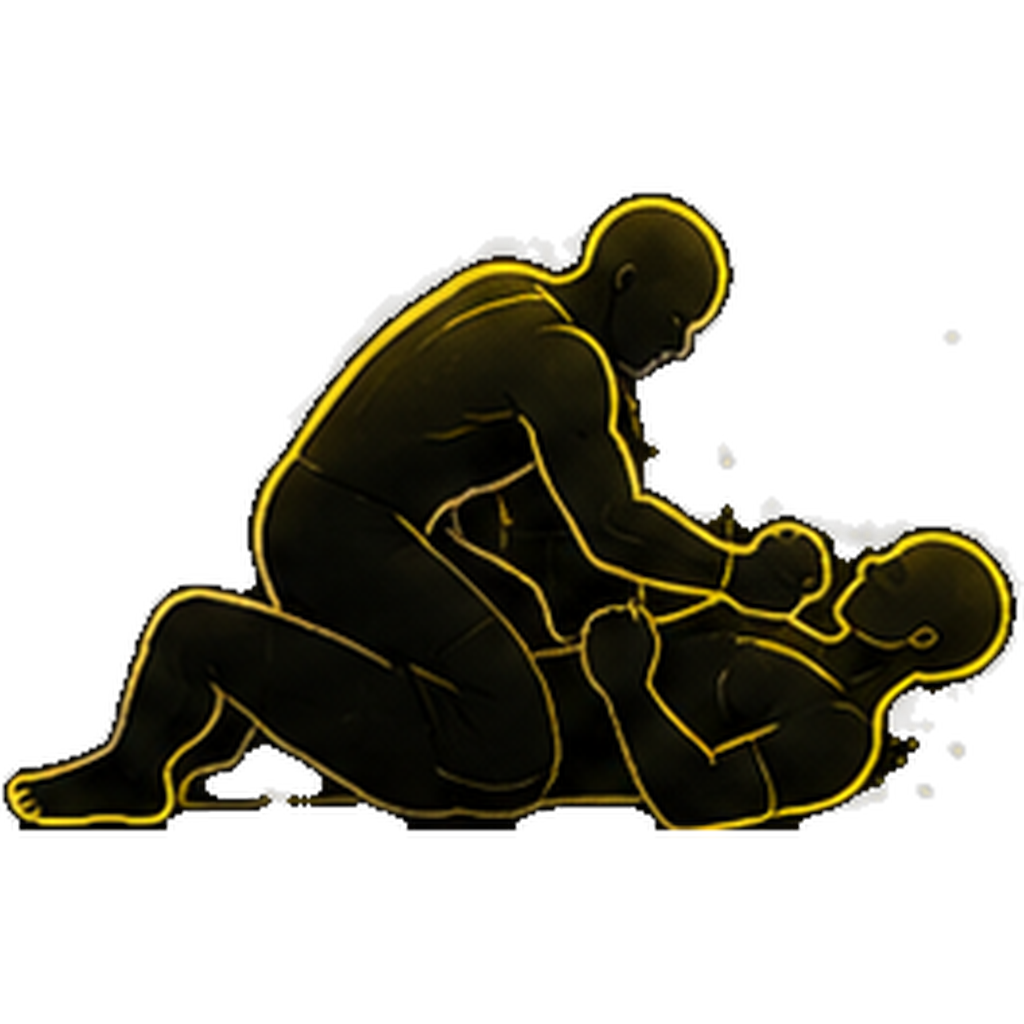 Ground3%